
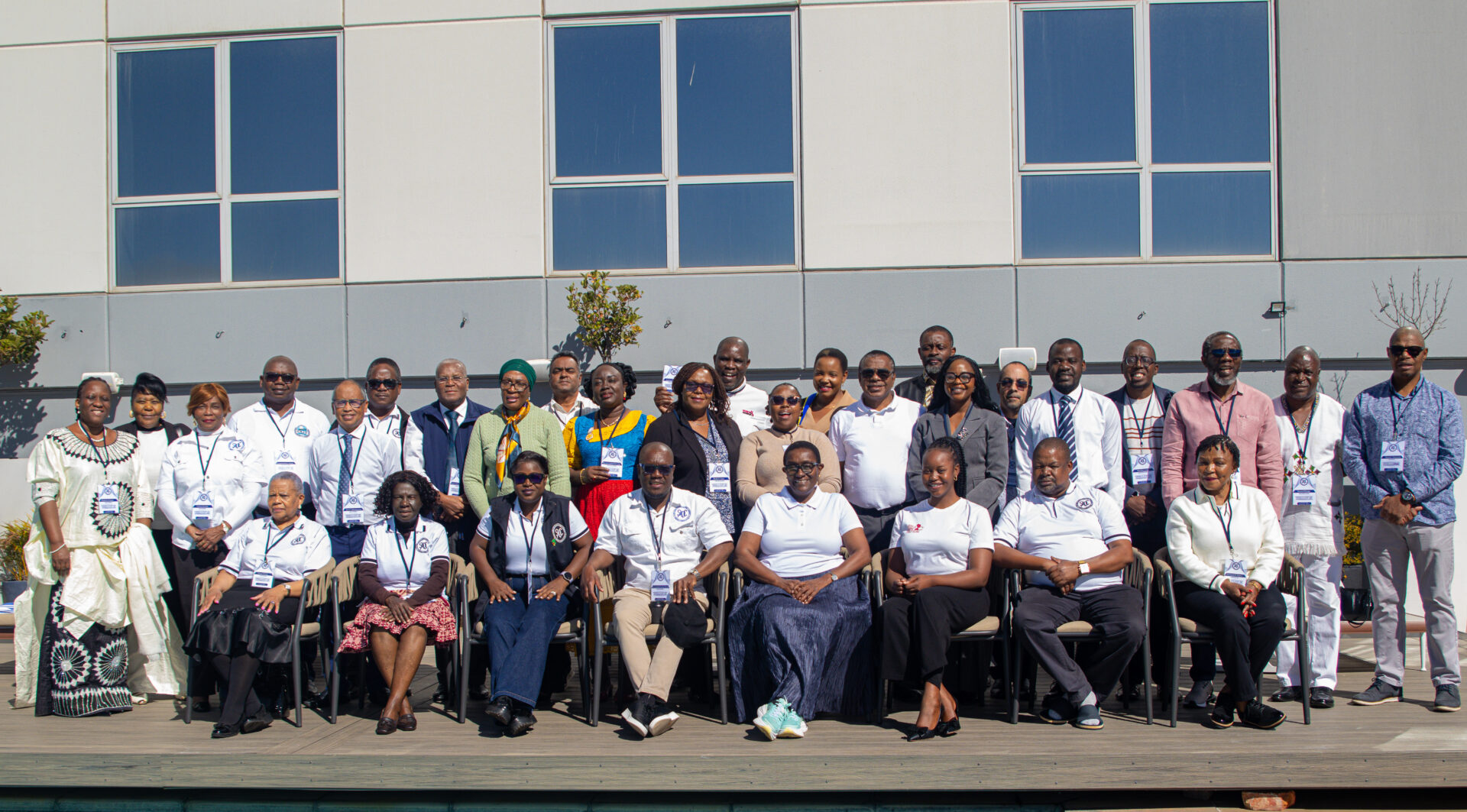
From 13 to 17 July 2026, the Southern African Development Community (SADC) convened a strategic workshop in Johannesburg, South Africa, to review the implementation of the SADC Electoral Advisory Council (SEAC) Strategic Plan 2021–2025 and contribute to the development of the SEAC Strategic Plan 2026–2030. The workshop brought together members of the SADC Mediation Reference Group (MRG), electoral governance practitioners, and representatives of Non-State Actors (NSAs), including ACCORD, from across the region to reflect on lessons learned and identify strategic priorities for the next five years.
The workshop formed part of a broader SADC strategic review process initiated in June 2026 and provided an opportunity to deepen discussions on electoral governance, mediation, democratic consolidation, and the future strategic plan of SEAC within the SADC regional architecture.
Established to advise SADC on matters relating to elections, democracy and good governance, SEAC plays a critical role in promoting credible, transparent and peaceful electoral processes across Southern Africa. Through its advisory mandate, the Council supports SADC and Member States in adhering to the SADC Principles and Guidelines Governing Democratic Elections, strengthening Electoral Management Bodies (EMBs), and addressing electoral-related conflicts throughout the electoral cycle.
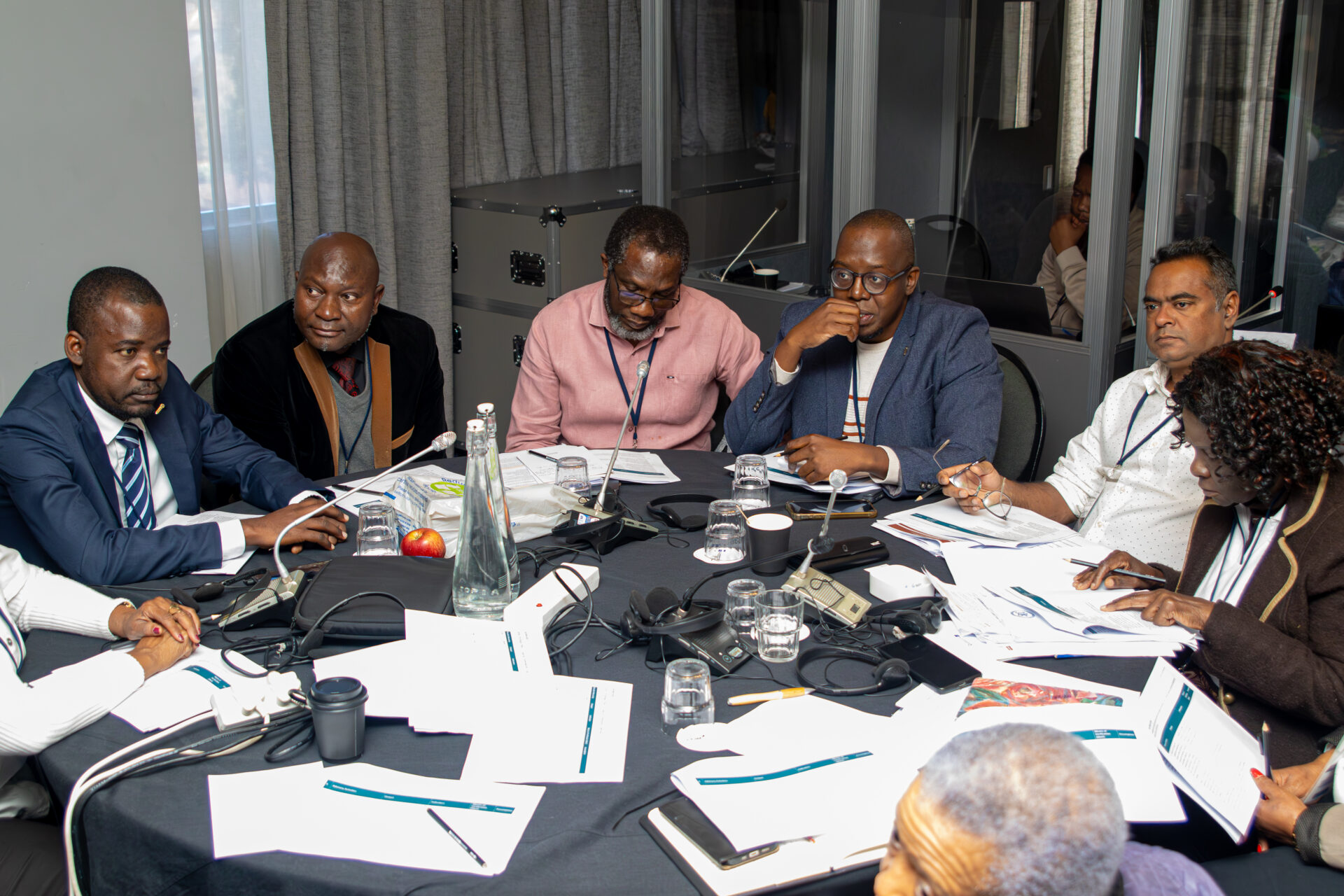
Throughout the workshop, experts reviewed progress made under the 2021–2025 Strategic Plan, examining key achievements, challenges and emerging trends affecting electoral processes in the SADC region. Discussions focused on strengthening electoral integrity, enhancing conflict prevention mechanisms, promoting inclusive participation, improving stakeholder engagement, and fostering closer coordination between electoral governance and mediation structures.
Particular attention was given to SEAC’s advisory role in preventing electoral-related conflicts through dialogue facilitation, early warning systems, conflict analysis and mediation interventions before, during and after elections. Participants also reflected on the opportunities and limitations of SEAC as an advisory body and explored ways to strengthen its effectiveness within the regional peace and security landscape. Experts emphasised the importance of long-term, inclusive and multi-stakeholder approaches to electoral conflict prevention, recognising that electoral violence is often rooted in broader political, social and governance challenges that extend beyond the electoral period itself.
The workshop contributed to the proposed strategic plan 2026-2030 and made recommendations, which emphasised the need for effective collaboration between electoral, mediation actors and NSAs in addressing roles in election-related tensions and disputes. Delegates reaffirmed their commitments to coordinate responses and initiatives in addressing electoral-related challenges and conflict preventions strategies.
The outcomes of the workshop will inform the development of the SEAC Strategic Plan 2026–2030, strengthening the Council’s capacity to support democratic governance, electoral integrity and conflict prevention across the SADC region. The new strategic plan is set to enhance SEAC’s advisory role in advancing peaceful, credible and inclusive elections as a cornerstone of regional stability and sustainable development.
ACCORD participated in the workshop as part of its ongoing support to governance, peace and security, and electoral processes across Africa.
