
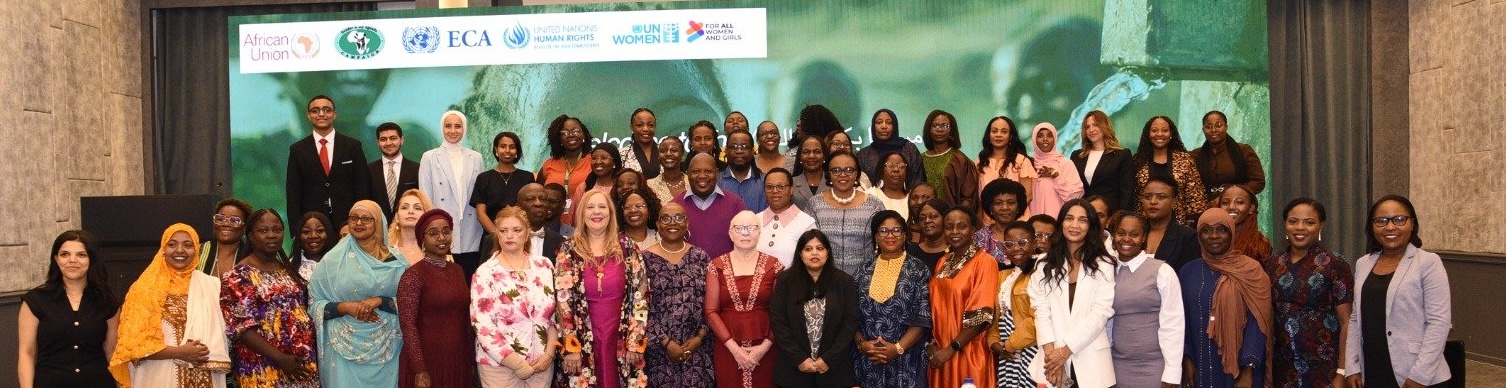
From 27 – 29 September 2026, ACCORD participated in the Gender is My Agenda Campaign (GIMAC) Network meetings held in New Alamein, Egypt, on the margins of the African Union (AU) Mid-Year Coordination Meeting. The meetings consisted of the 16th Young Women’s Advocacy Training and the 8th CSO–RECs Strategic Engagement, held under the theme “Advancing Gender-Transformative Water Governance and Reparatory Justice within the Africa Water Vision 2063 Framework”, in line with the AU’s 2026 theme on water and sanitation.
The engagements opened on 27 September with the Young Women’s Advocacy Training, which focused on young women’s role in policy advocacy for gender-responsive water and sanitation. In an intergenerational Living Library, senior leaders sat as “books” for young women to “borrow”. Book 3, Dr Stukie Motsa, Senator in the Parliament of Eswatini, took participants inside the decision-making space. A lawyer and founder of the Stukie Motsa Foundation, which works on albinism and disability, shared how she advocated for disability legislation before entering Parliament and, on finding no parliamentary committee dedicated to disability, ensured that one was established, which she now chairs.
In the Advocacy Skills Lab, “From Story to Ask”, Dr Olumide Ajayi, Executive Director of the Africa Leadership Foundation, guided participants in turning their experiences into clear policy asks. Participants practised elevator pitches with coaching feedback and received briefs on engaging the RECs.
On 28 September, ACCORD’s Programme Coordinator, Ms Marisha Ramdeen, opened the CSO–RECs Strategic Engagement by asking participants to reflect on “Whose water? Whose voice? Whose decisions?” She noted that water is not gender neutral and that gender equality should be embedded in the Africa Water Vision 2063 from the outset. She also highlighted the role of the RECs in working with civil society to support implementation underpinned by gender-responsive financing. ACCORD further contributed to the Peace, Security and WASH session and supported a learning exchange between the Ethiopian Women’s Peace Table and the GIMAC Peace and Security Cluster.
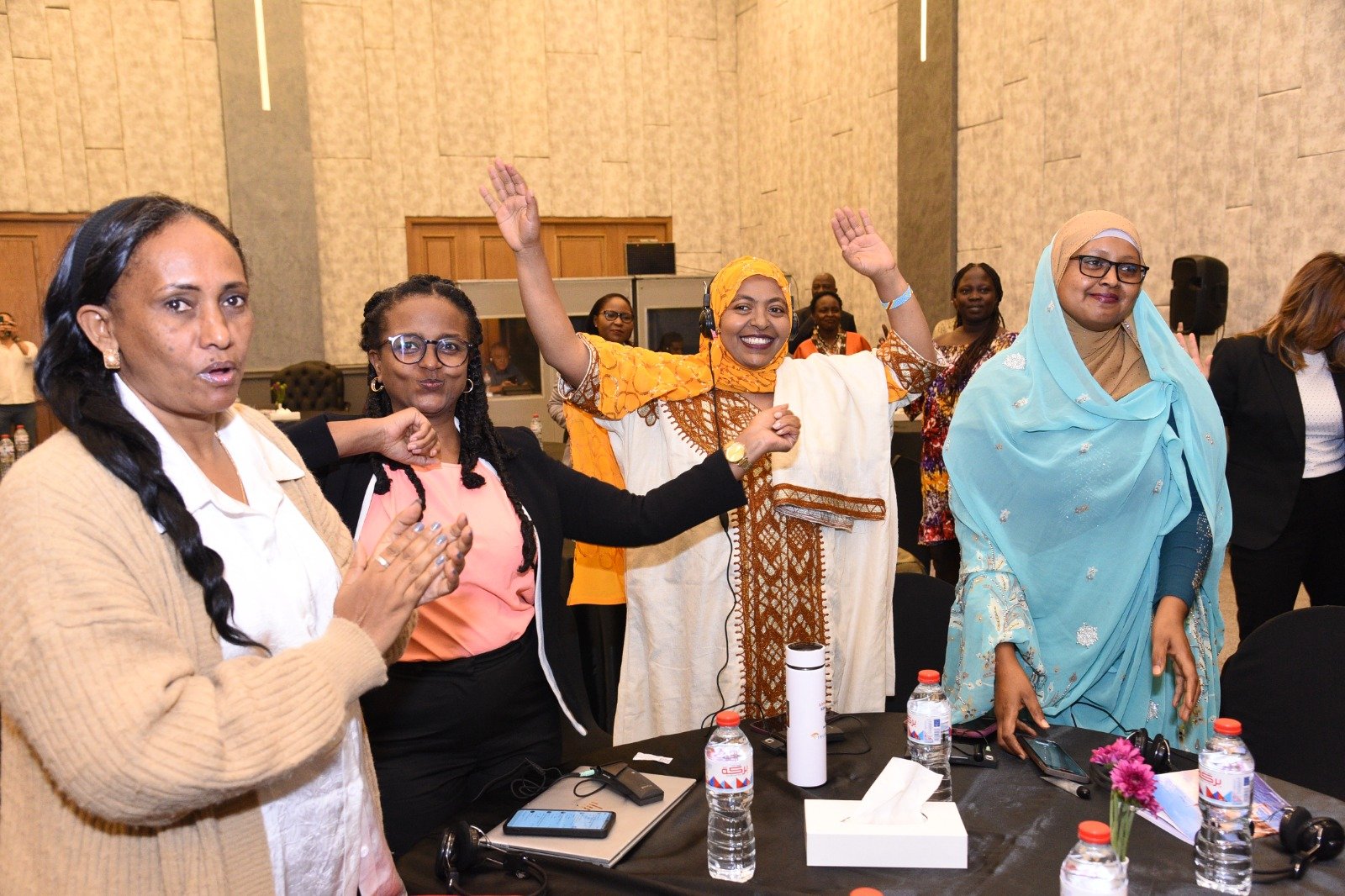
Over the course of the engagement, discussions focused on how the Africa Water Vision 2063 can be translated into commitments that reach women and girls at community level. Participants examined the unpaid care burden that falls on women and girls where water and sanitation services are absent, the exclusion of women, young women and persons with disabilities from decision-making in water governance, and the financing gaps that leave rural areas and informal settlements underserved. Civil society and REC representatives also explored how they could work together to move these commitments from policy into practice.
The meetings concluded with the 8th GIMAC Outcome Document, which calls on the AU, RECs and Member States to recognise access to water, sanitation and menstrual hygiene as an enforceable human right, and to introduce binding quotas for women, young women and persons with disabilities in water governance. It further calls for gender- and care-responsive budgeting, investment directed to rural areas, informal settlements, schools and health centres, and faster ratification of the Maputo Protocol, the African Disability Rights Protocol and the AU Convention on Ending Violence Against Women and Girls. “Water justice is gender justice,” it concludes.
ACCORD in its capacity as vice chair of GIMAC will continue to work with the network to advance gender mainstreaming across the continent.
