Issue No: 9/2026

Conflict & Resilience Monitor – October 2026

The Conflict and Resilience Monitor offers monthly blog-size commentary and analysis on the latest conflict-related trends in Africa.

Photo: HelenOnline

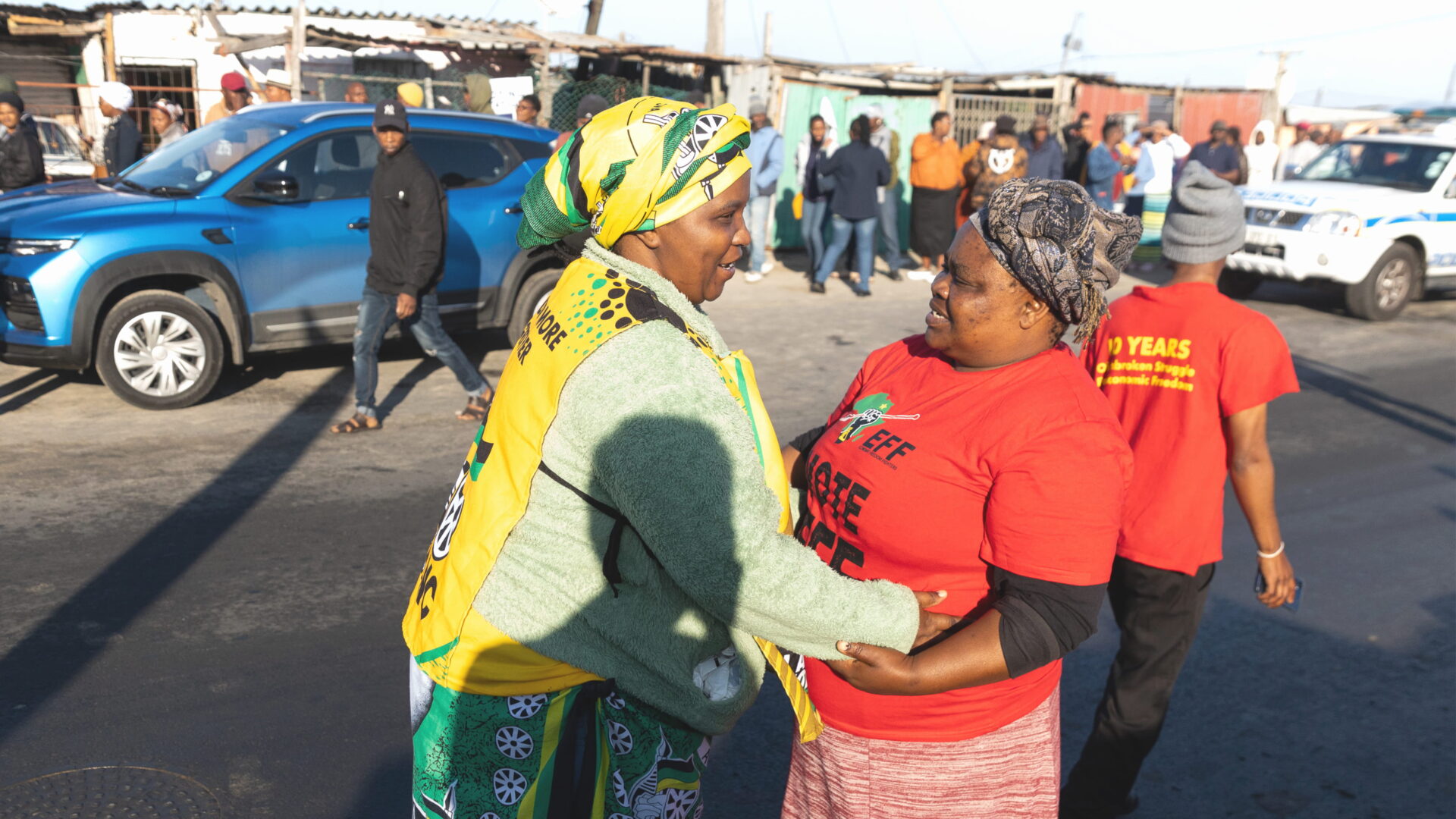
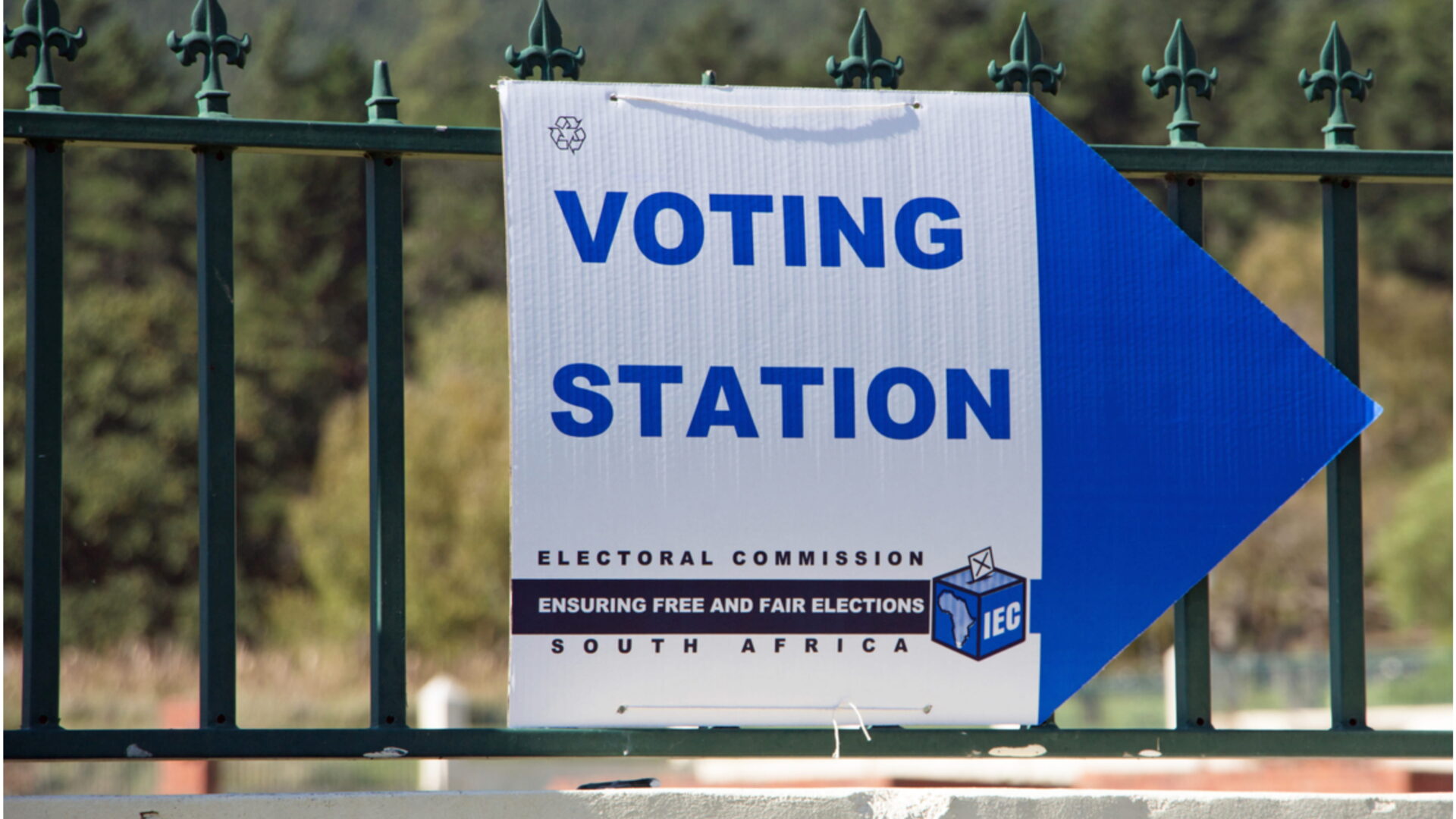
We begin this edition of the Monitor with three articles about South Africa ahead of the local government elections taking place next week. Adam Randera discusses the stability and effectiveness of coalitions in South Africa. While the news often depicts coalitions as unstable, especially in metropolitan municipalities, this is not the case across the whole country. For the upcoming elections, larger parties have asked voters not to vote for smaller parties as this increases the likelihood of coalitions, however, it can be argued that coalitions are merely a result of diverse political opinions in South Africa and not the cause of unstable governance.

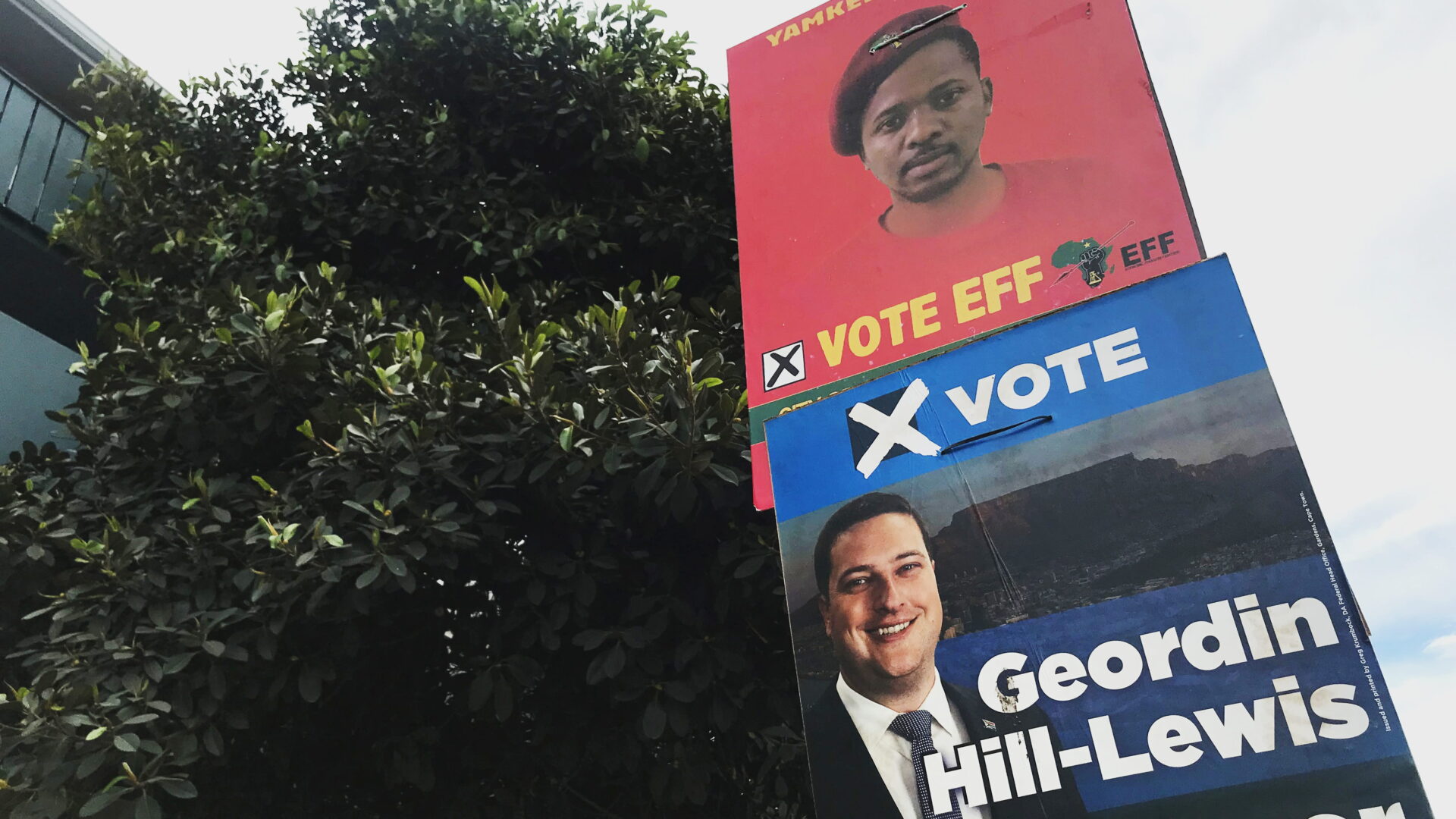
Thembelani Mazibuko then writes about what the outcomes of the 2026 local government elections might be, based off the outcomes of the 2024 national and provincial elections. His article looks at the outcomes of the 2024 elections in three provinces, Kwa-Zulu Natal, Gauteng and the Western Cape, and if these provinces are likely to see more coalitions next week.

Our final article on South Africa is written by Thandile Xesi and is about misinformation and disinformation online. The Tales of Turning organisation has been tracking social media and how these networks are able to influence social discourse. The research has found that there are a number of accounts influencing the anti-immigrant sentiment are either bots or individuals based outside of South Africa. In the build-up to the elections, discourse about poor infrastructure and service delivery has been channelled into anti-migrant debates.

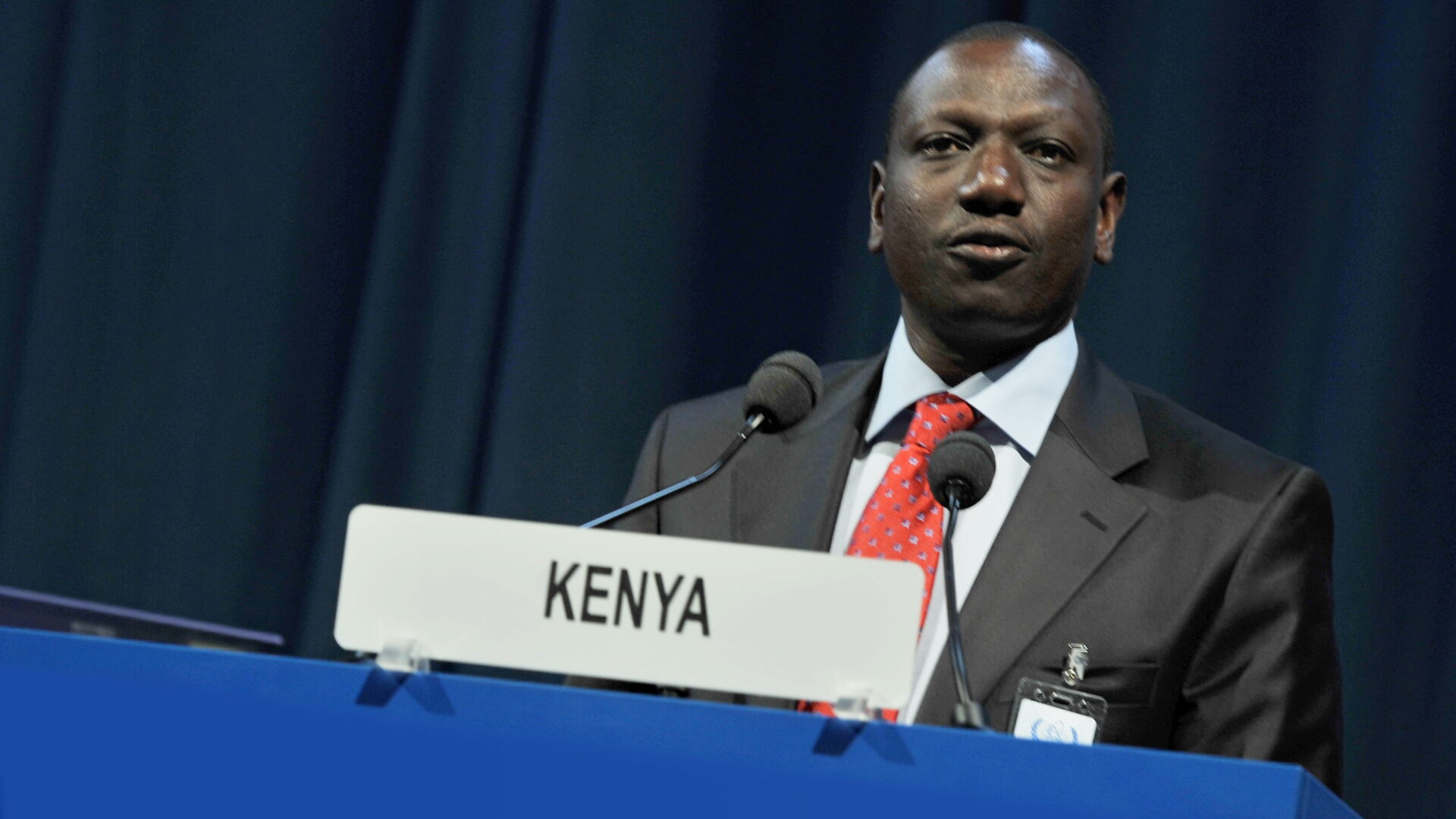
Moving away from South Africa, Ibrahim Sakawa Magara writes about Kenya’s role as a mediator on the continent, and in particular about the country’s model of presidency-driven mediation. Some of the strengths of having mediation led by the president is that engagements can be initiated more quickly, principals to the conflict can be engaged more easily and they carry high-level legitimacy. However, Kenya has struggled to find an answer to overlapping regional efforts and strategies can become ambivalent when leadership changes takes place.

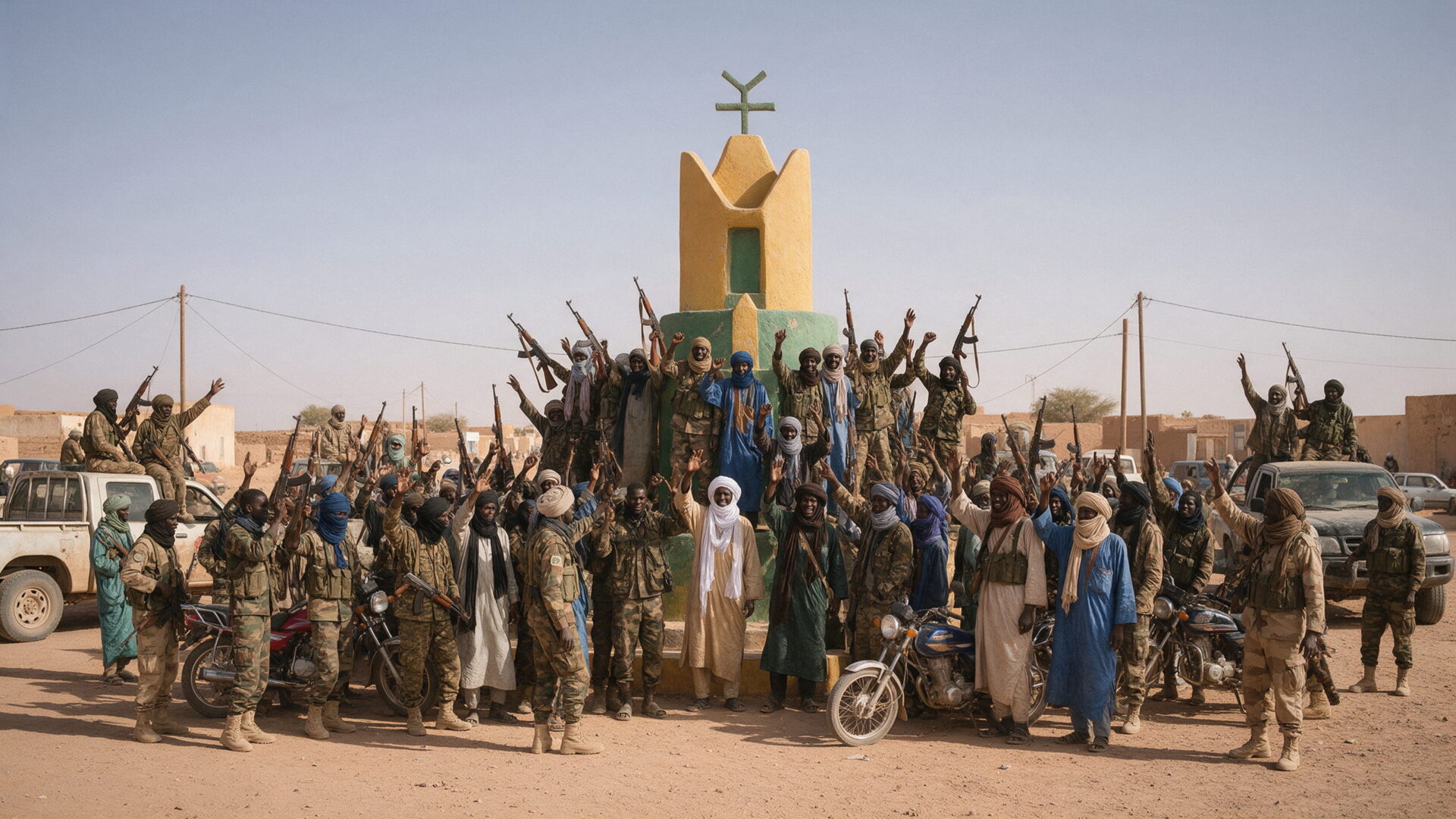
Finally, Abraham Ename Minko and Tekang P. Kwachuh discuss the increased use of artificial intelligence (AI) in conflict in Mali. The government and Africa Corps, as well as Jama’at Nusrat al-Islam wal-Muslimin and the Azawad Liberation Front have all made use of AI to varying degrees of effectiveness and proficiency. AI has been used as a propaganda tool to share deep fakes, influence narrative and engage with people in various different languages in the region, which all help in the recruitment of fighters, while it has also been used on the battlefields. As such, AI can be seen as a threat multiplier in the conflict.


Special Guest Editor
Chief Editor: Conflict & Resilience Monitor​
Managing Editor: Conflict & Resilience Monitor
Managing Editor: Conflict & Resilience Monitor​
Assistant Editor: Conflict & Resilience Monitor
Managing Editor: Conflict & Resilience Monitor
Assistant Editor: Conflict & Resilience Monitor​
Photo: Ashraf Hendricks/GroundUp
Elections

What’s So Bad About Coalitions?

  • Adam Randera

One of the most common themes of the discourse surrounding South Africa’s upcoming local government elections has been the expectation of an increase in the number of hung councils. This has led to repeated denunciations of coalition governments by candidates, especially from the larger parties, who claim that they lead to nothing but instability and chaos. Taking a different tack, some commentators have argued that the proliferation of coalitions represents a maturing of South Africa’s democracy as a diverse voter base which seeks representation for its different interests. So, are coalitions really as bad as some fear? And if so, why? Or should we be celebrating coalition governments as a testament to democracy?

Read More
Photo: Ashraf Hendricks/GroundUp
Elections

What the 2024 National and Provincial Elections may Portend for South Africa’s 2026 Local Government Elections

  • Thembelani Mazibuko

The 2024 National and Provincial Elections (NPE) marked a watershed moment in South Africa’s democratic history. For the first time, no party secured a majority in the National Assembly, whereas the African National Congress (ANC) lost its majorities in the KwaZulu-Natal (KZN), Gauteng and Northern Cape provincial legislatures. Consequently, South Africa shifted from a system in which a single party held majorities nationally and across all provinces to one in which the largest party secured only forty per cent of the national vote.

Read More
Photo: Magnific/Rawpixel
Political Unrest or Violence

How Disinformation Networks Amplify Anti-Immigrant Sentiment Ahead of Local Government Elections in South Africa

  • Thandile Xesi

When major legal judgments, judicial reviews or administrative policy changes regarding migration are made public in South Africa, they frequently generate intense public debate. Across social media platforms, differing perspectives and concerns often emerge rapidly. To those monitoring online activity, these digital waves can appear to reflect an immediate, organic groundswell of public sentiment surrounding complex societal issues.

Read More
Photo: Dean Calma/IAEA
Mediation

Kenya’s Presidentialised Mediation: Promise and Peril for Regional Peace Governance

  • Dr. Ibrahim Sakawa Magara

Mediation is arguably the tool of choice for conflict transformation in Africa’s regional peace and security governance. Across the continent, Regional Organisations (ROs), such as the Intergovernmental Authority on Development (IGAD), identify mediation as their preferred instrument for addressing armed conflict, as reaffirmed in practice through the establishment of mediation support units and the convening of high-level diplomatic processes. Yet the manner in which mediation is operationalised diverges significantly from the models that dominate mainstream scholarship. In eastern Africa, mediation is increasingly an executive prerogative conducted within executive leadership circles, with heads of state assuming the principal mediating role, blending institutional mandates with personal networks, geopolitical calculations and informal diplomatic practices.

Read More
Photo: Youssouf Diallo
Peace and Security

Algorithms at War: Generative AI as a Hybrid Threat Multiplier in Mali’s Conflict

  • Abraham Ename Minko
  • Dr. Tekang P. Kwachuh

In 2026, Mali became what the Timbuktu Institute calls an ‘open-air laboratory’ for artificial intelligence (AI) in warfare. On 25 April 2026, coordinated attacks by the al-Qaeda-linked Jama’at Nusrat al-Islam wal-Muslimin (JNIM) and the Tuareg-led Azawad Liberation Front (FLA) killed Mali’s defence minister, Sadio Camara, and forced Malian forces and their Russian Africa Corps partners to withdraw from Kidal. A parallel contest unfolded online. On 9 September 2026, the Dakar-based Timbuktu Institute published Algorithms at War, which examines how generative AI is used by JNIM, the FLA, Mali’s transitional authorities and Africa Corps.

Read More

Do you have information to share?

Does any of this information look incorrect to you, or do you have anything to share from your experience on the ground in an African country?

If so, please complete our contact form – we would love to hear from you!

ACCORD recognizes its longstanding partnerships with the European Union, and the Governments of Canada, Finland, Norway, South Africa, Sweden, UK, and USA.

ACCORD recognizes its longstanding partnerships with the European Union, and the Governments of Canada, Finland, Ireland, Norway, South Africa, Sweden, UK, and USA.