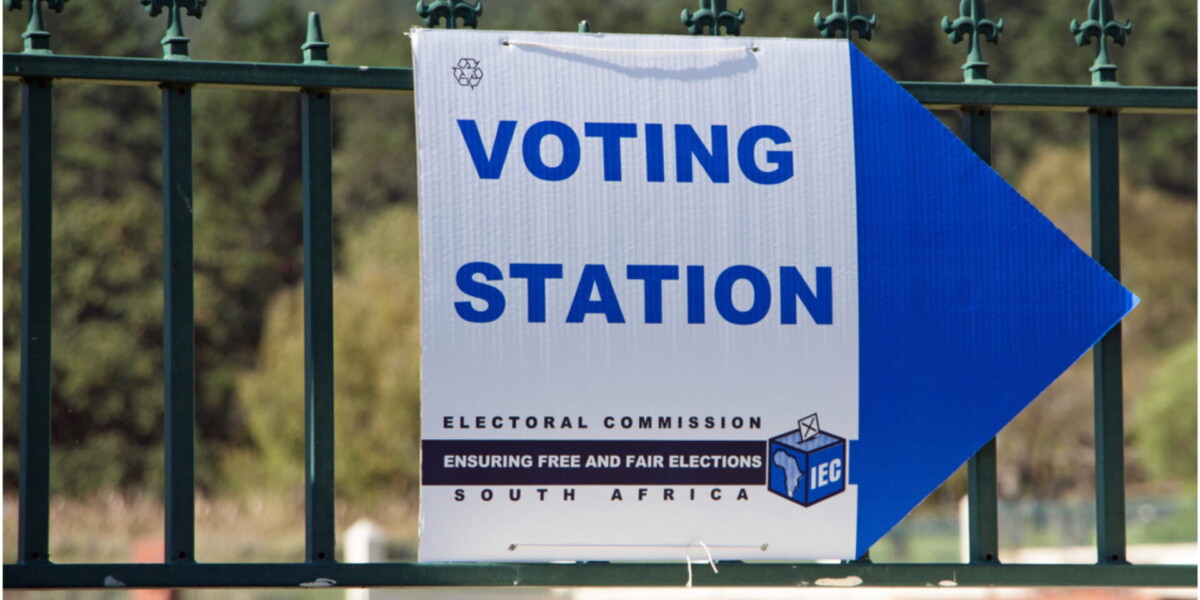
We begin this edition of the Monitor with three articles about South Africa ahead of the local government elections taking place next week. Adam Randera discusses the stability and effectiveness of coalitions in South Africa. While the news often depicts coalitions as unstable, especially in metropolitan municipalities, this is not the case across the whole country. For the upcoming elections, larger parties have asked voters not to vote for smaller parties as this increases the likelihood of coalitions, however, it can be argued that coalitions are merely a result of diverse political opinions in South Africa and not the cause of unstable governance.
Thembelani Mazibuko then writes about what the outcomes of the 2026 local government elections might be, based off the outcomes of the 2024 national and provincial elections. His article looks at the outcomes of the 2024 elections in three provinces, Kwa-Zulu Natal, Gauteng and the Western Cape, and if these provinces are likely to see more coalitions next week.
Our final article on South Africa is written by Thandile Xesi and is about misinformation and disinformation online. The Tales of Turning organisation has been tracking social media and how these networks are able to influence social discourse. The research has found that there are a number of accounts influencing the anti-immigrant sentiment are either bots or individuals based outside of South Africa. In the build-up to the elections, discourse about poor infrastructure and service delivery has been channelled into anti-migrant debates.
Moving away from South Africa, Ibrahim Sakawa Magara writes about Kenya’s role as a mediator on the continent, and in particular about the country’s model of presidency-driven mediation. Some of the strengths of having mediation led by the president is that engagements can be initiated more quickly, principals to the conflict can be engaged more easily and they carry high-level legitimacy. However, Kenya has struggled to find an answer to overlapping regional efforts and strategies can become ambivalent when leadership changes takes place.
Finally, Abraham Ename Minko and Tekang P. Kwachuh discuss the increased use of artificial intelligence (AI) in conflict in Mali. The government and Africa Corps, as well as Jama’at Nusrat al-Islam wal-Muslimin and the Azawad Liberation Front have all made use of AI to varying degrees of effectiveness and proficiency. AI has been used as a propaganda tool to share deep fakes, influence narrative and engage with people in various different languages in the region, which all help in the recruitment of fighters, while it has also been used on the battlefields. As such, AI can be seen as a threat multiplier in the conflict.

Are coalitions really as bad as some fear, or should we be celebrating them as a testament to democracy?
If the 2024 NPEs are any indication, the number of hung councils will likely increase in the upcoming 2026 LGEs

Recent social network research by Tales of Turning revealed distinct patterns of digital manipulation