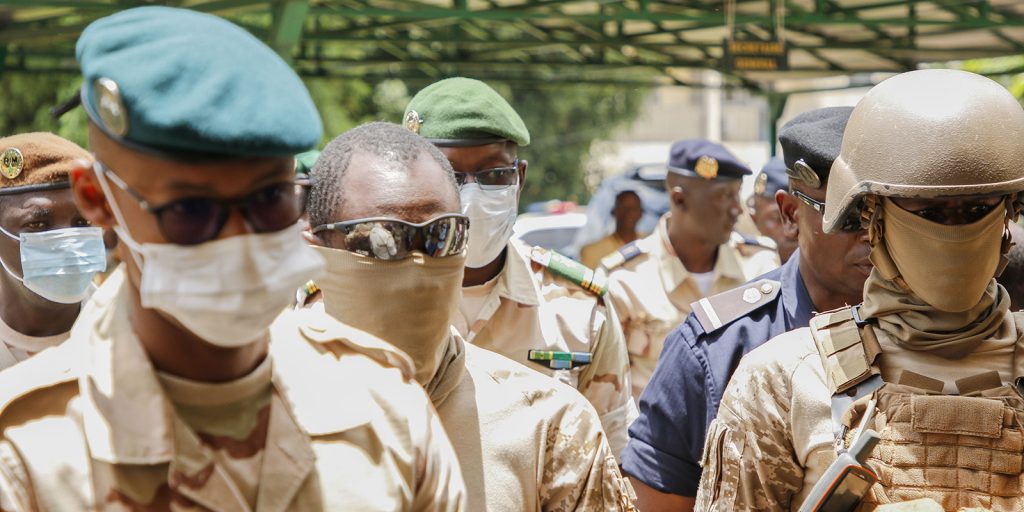
Coups in Africa: No end in sight and where is ECOWAS and the African Union
The alarming rate of coups on the continent are an indicator that firmer measures are required from the AU and respective regional bodies as a deterrent.

The alarming rate of coups on the continent are an indicator that firmer measures are required from the AU and respective regional bodies as a deterrent.
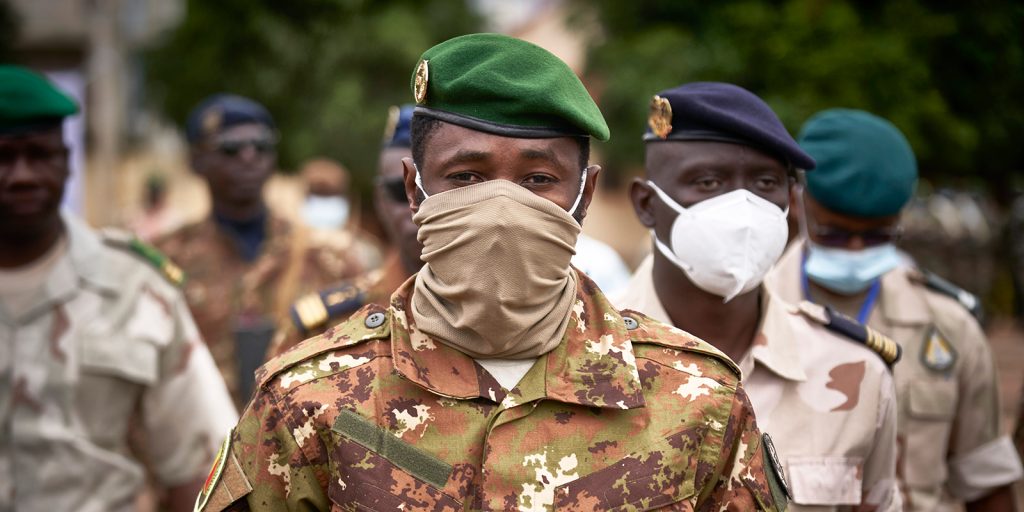
Prior to the coups, the continent had already witnessed 7 popular uprisings within the last decade that brought about changes in government. The actions, and inactions, of the military were critical to the outcome of these uprisings.
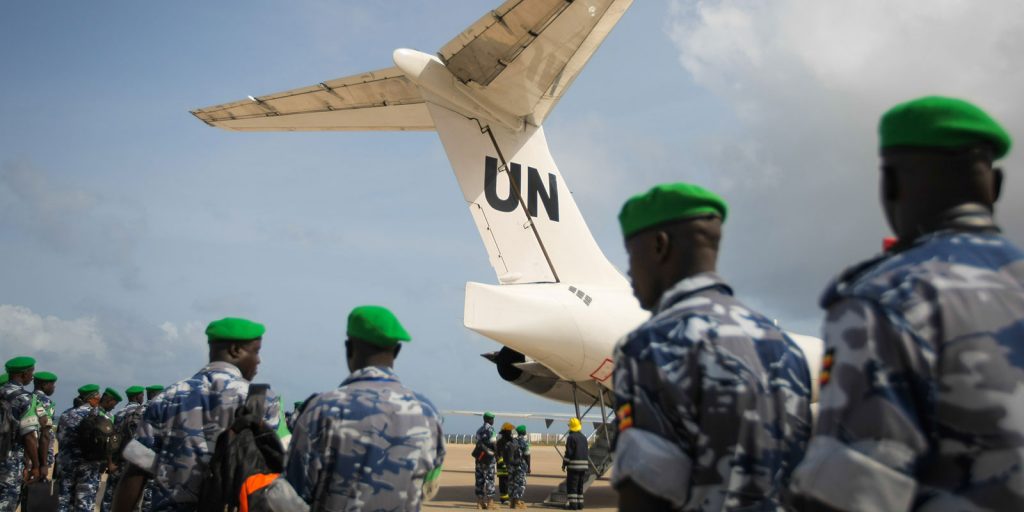
There are a number of examples of networked multilateralism in Africa, where regional and global institutions work together to pursue peace and stability on the continent, including in the area of peace support operations.
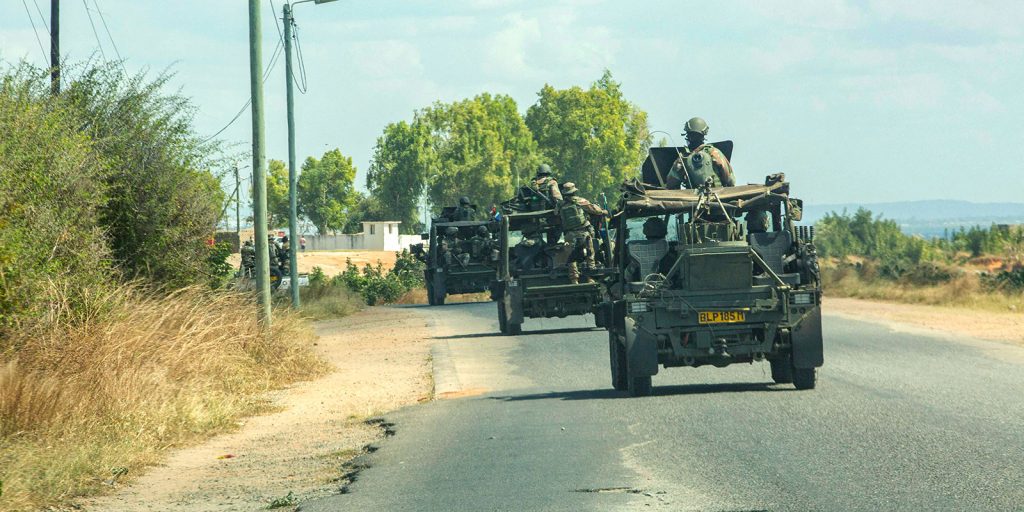
Much has changed since the Ansar al-Sunna insurgent group in northern Mozambique captured the vital port city of Palma in April 2021. The setback, and subsequent withdrawal of Total Energy from its $20 billion natural gas project in the area, shocked Mozambique’s government after years of underestimating the insurgency, and failed experimentation with mercenaries. Even so, it was oddly reluctant to accept a Southern African Development Community’s (SADC) intervention mission, first delaying in at least two SADC Summits the mission announcement and then delaying the signing of the Status of Forces Agreement (SOFA) without which no troops could deploy. It now appears that this was intentionally done in order to allow for a rapid deployment of over 1 000 Rwandan military and police personnel to the area long before substantial SADC Mission in Mozambique (SAMIM) could deploy.
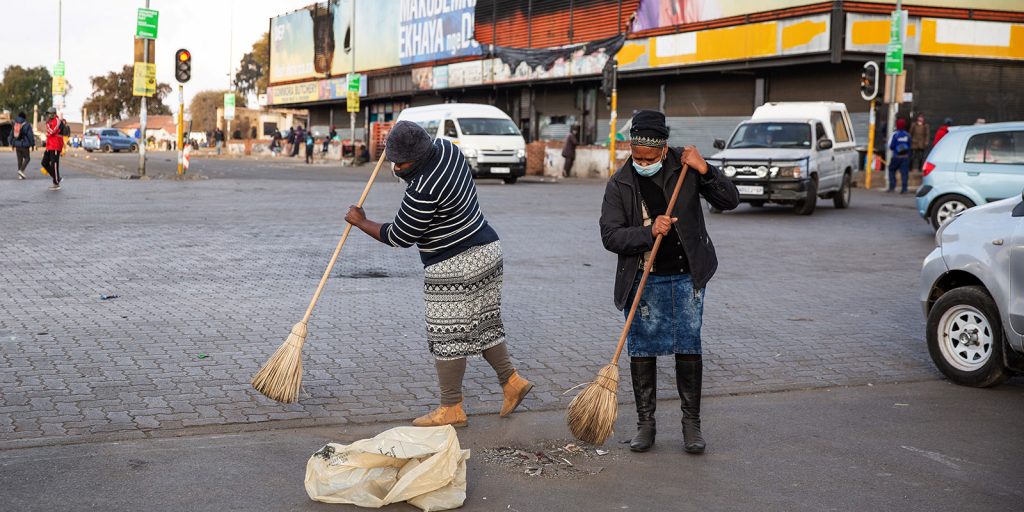
At a time of a health crisis, societal tensions, and social-political unrest in South Africa, now, more than ever, we need to bring a meaning to solidarity and put our hands and hearts together to explore how we can rebuild social cohesion and peace in a divided South Africa.
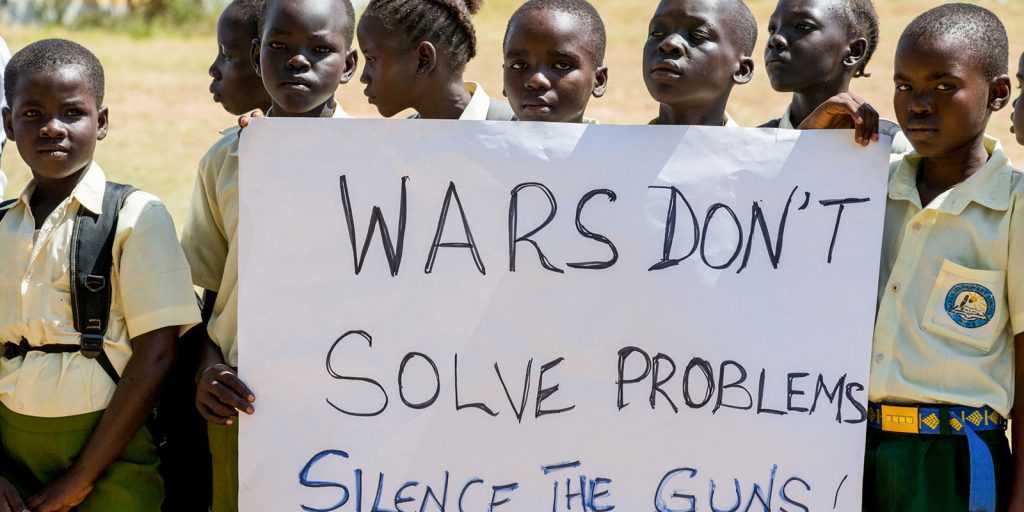
As South Sudanese celebrated the tenth anniversary of independence on 9 July, their ambitions to build a nation that they fought for and that many have scarified their lives for, have not yet been realized. Many challenges still undermine the nation building programmes and the people’s aspirations.
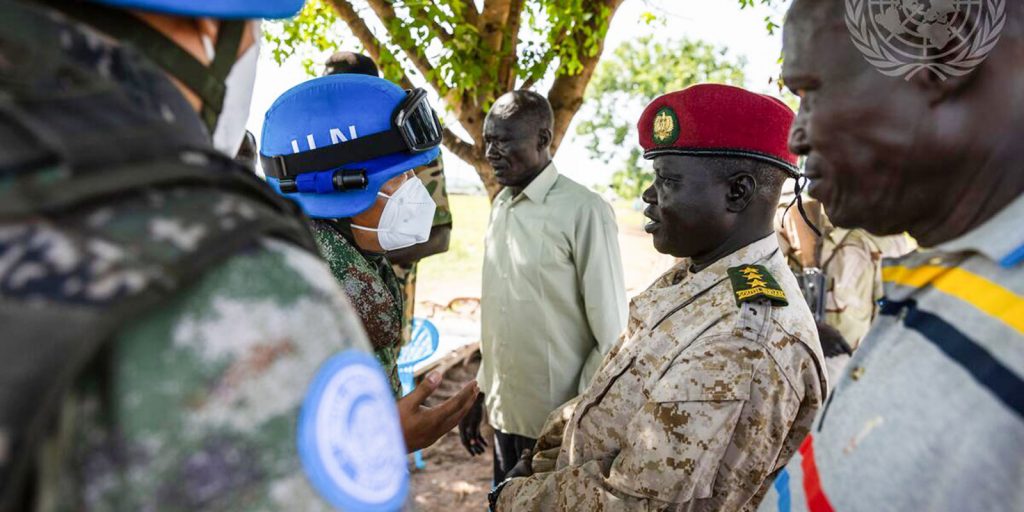
On 9 July 2021, South Sudan commemorated its 1o-year anniversary as an independent, sovereign state. The celebrations across the country were quiet. The exuberant scenes of 2011 gave way to pensive stocktaking as South Sudan emerges from a vicious cycle of civil war and a weakened economy brought to the brink by the COVID-19 pandemic. What has remained however is the resilience of the people of South Sudan, and their ability to look toward a future of peace, stability, and development. Their hope rests on the permanent ceasefire which has continued to hold since 2017, and the implementation of the Revitalized Agreement on the Resolution of the Conflict in the Republic of South Sudan (R-ARCSS), signed in 2018 following the breakdown of the previous peace agreement.
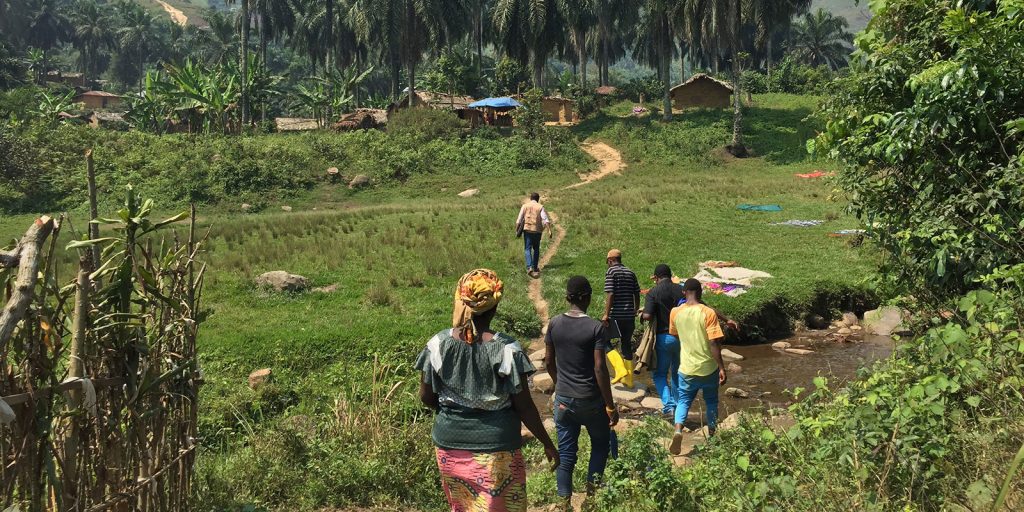
One cannot stabilize the eastern part of the Democratic Republic of Congo (DRC) without building a trustworthy and effective local and national political leadership, desecuritizing the national political narrative, and depoliticizing national security operations.
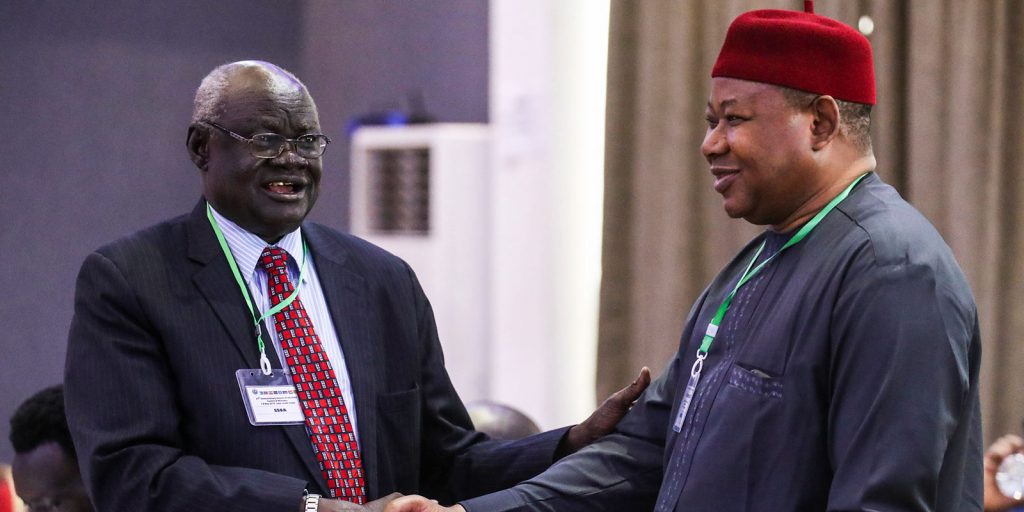
IGAD upgraded its presence in various IGAD Member States namely; Ethiopia, Kenya, Somalia, South Sudan, Sudan and Uganda to full time presence instead of ad hoc engagements or small liaison offices, while Djibouti remains the seat of the Secretariat and the Executive Secretary. The IGAD presence in the Republic of South Sudan started with a liaison office at the sub-national regional government of southern Sudan in 2005 to follow up on the implementation of the Comprehensive Peace Agreement (CPA), and upgraded to a small Juba Liaison Office after South Sudan’s independence on 9 July 2011.
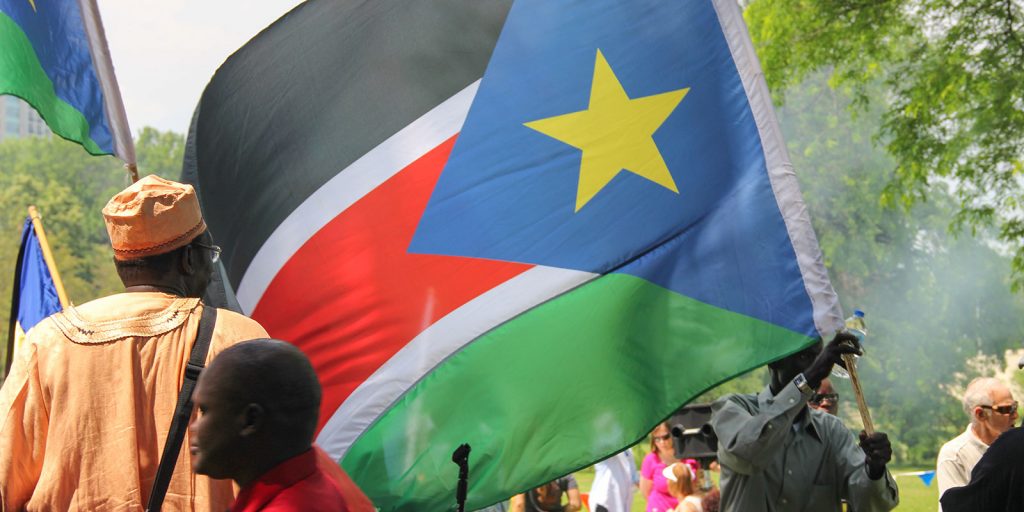
The 9th of July 2021 marks the first decade of independence of the Republic of South Sudan and the challenges of nation-state building. The 2005 Comprehensive Peace Agreement (CPA) paved the way for separation of Southern Sudan from the Sudan in 2011 through a referendum for self-determination. Though the parties pledged to make unity of the Sudan attractive, the people did not believe.