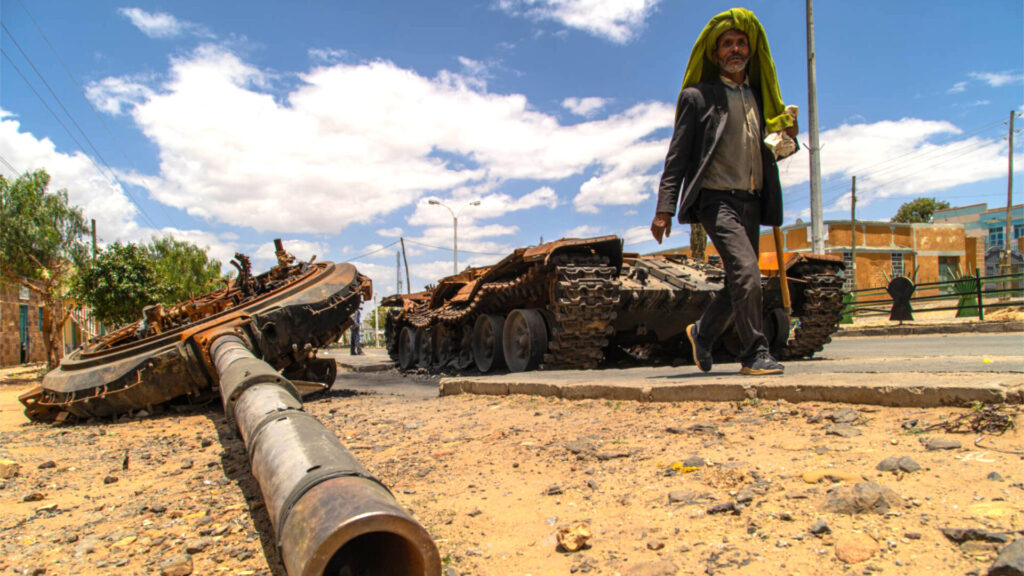
Self-Determination: A Resource for Peace and Justice in Ethiopia?
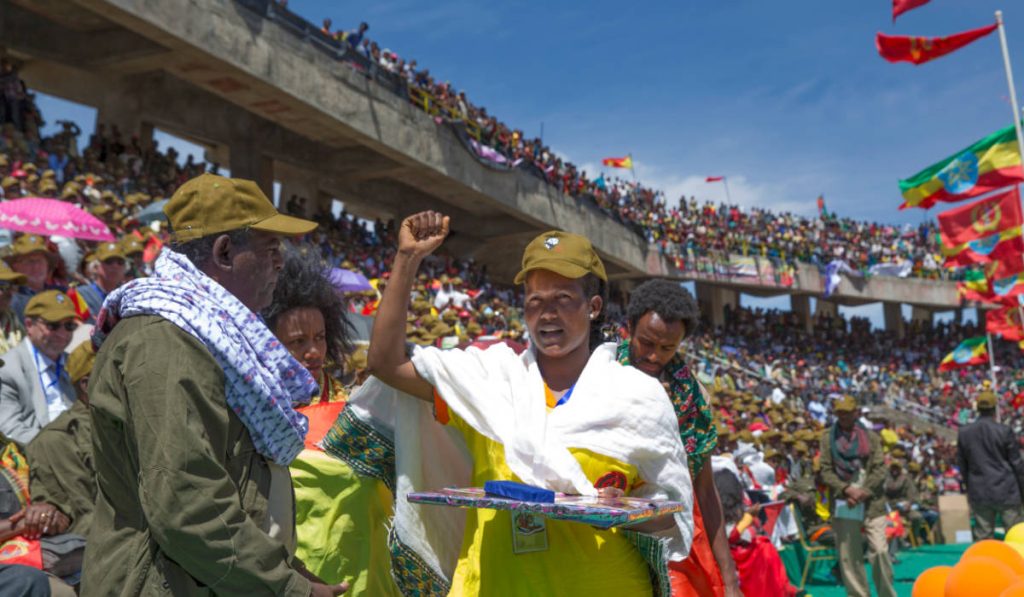
The 1995 Constitution of Ethiopia grants ‘nations, nationalities, and peoples’ in Ethiopia the unconditional right to self-determination, including the right to secession

The 1995 Constitution of Ethiopia grants ‘nations, nationalities, and peoples’ in Ethiopia the unconditional right to self-determination, including the right to secession
This article examines the role of Eritrea in the 2020 Ethiopia-Tigray conflict and examines the alliance between Eritrea and Ethiopia during this conflict.
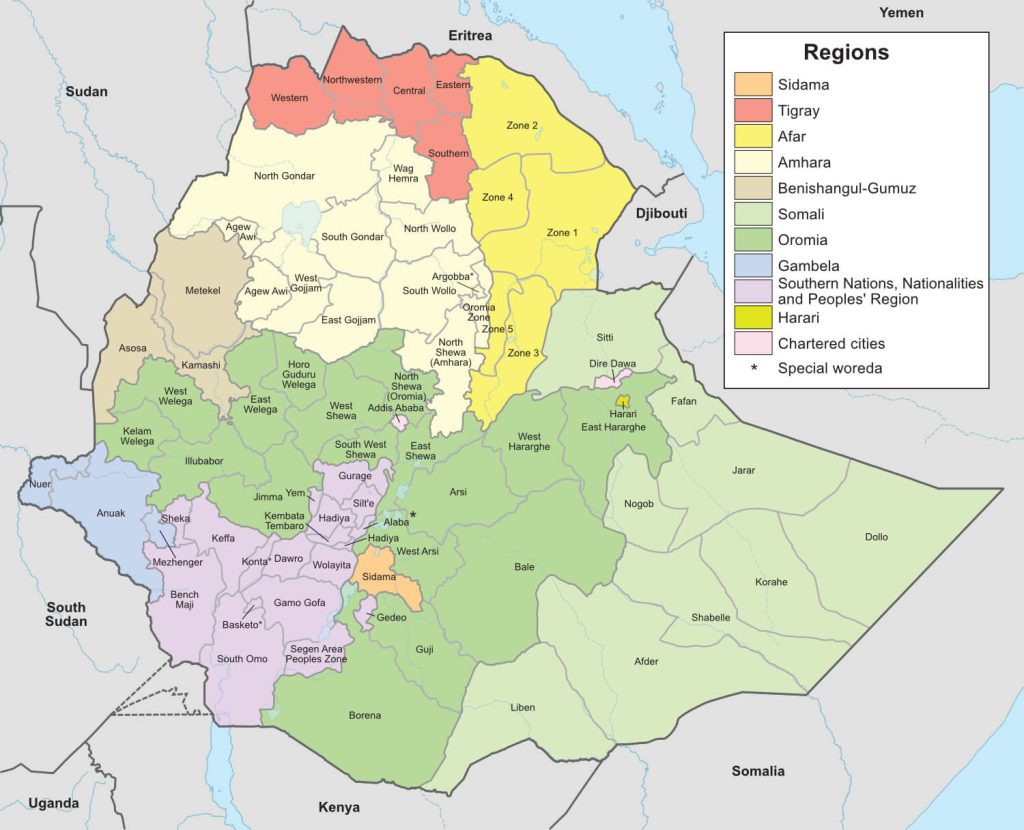
Despite being undertaken to resolve ethnic conflicts, the federal restructuring of Ethiopia merely changed the conflict dynamics, including decentralising them, while also creating additional local inter-ethnic struggles
Amid the signing of the Pretoria Peace Agreement between the Government of Ethiopia (GoE) and the Tigray People’s Liberation Front (TPLF), renewed strife simmers in the country’s second most populous region
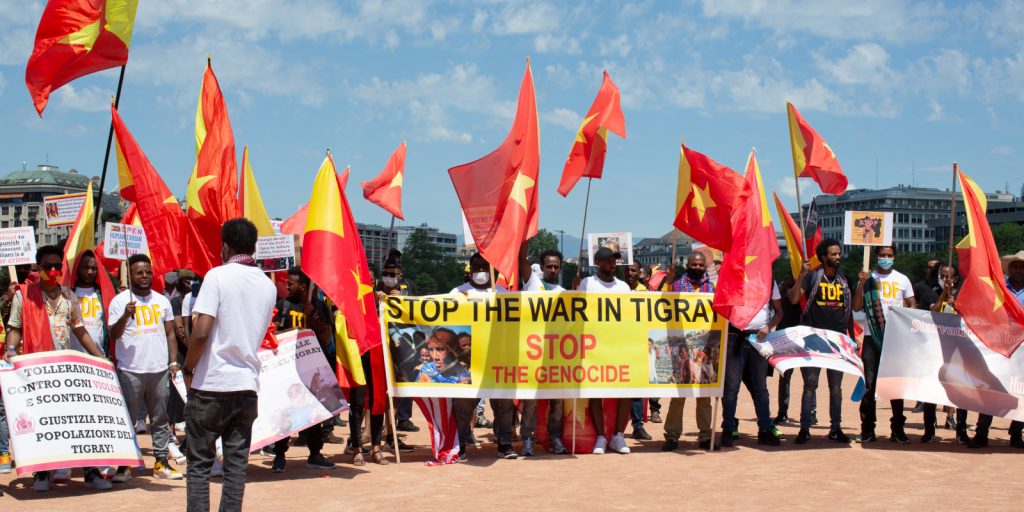
Ethiopia faces enormous and urgent reconciliation and peacebuilding needs. Coupled with the national dialogue process, the peace agreement is a major milestone
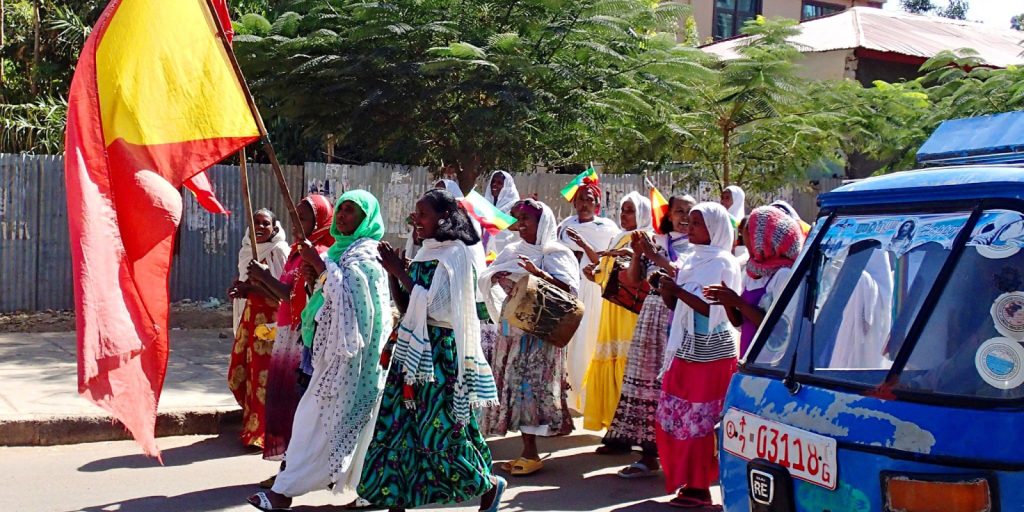
On 24 August, fighting resumed between the federal government of Ethiopia and Tigrayan forces, ending the five month long humanitarian truce. There are at least three sticking points preventing the peace process from making headways.
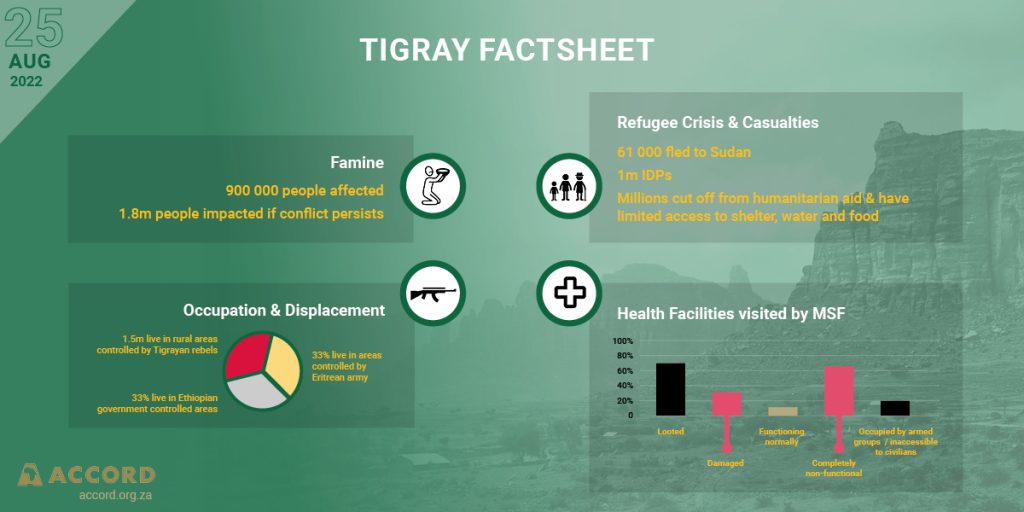
On 14 June 2022, Ethiopian Prime Minister Abiy Ahmed announced the establishment of a committee to negotiate peace talks with the TPLF. However, on 24 August, fighting broke out between the two sides along the northern border of Tigray province.
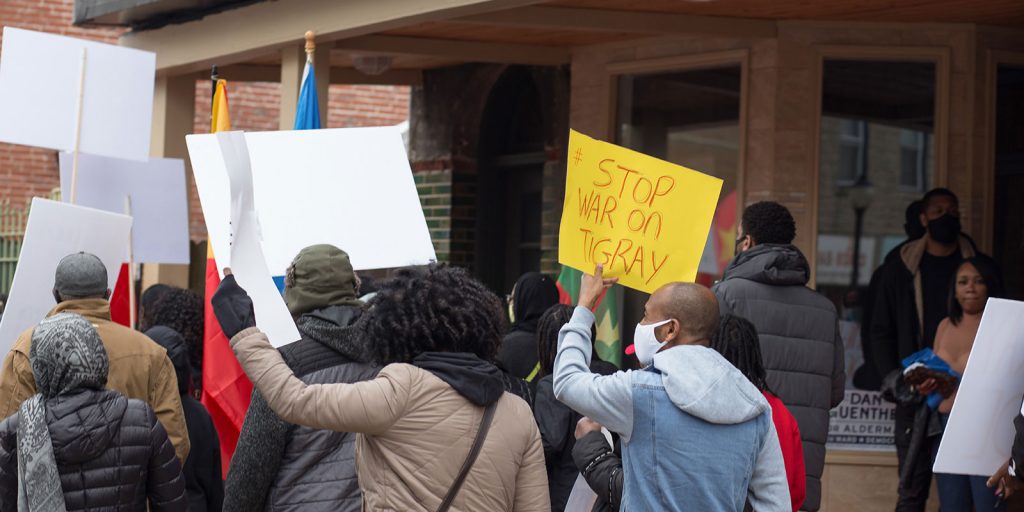
Peace talks are finally on the horizon between Ethiopia’s federal government and leaders of the northern Tigray region, but lasting peace in the country remains a distant hope.